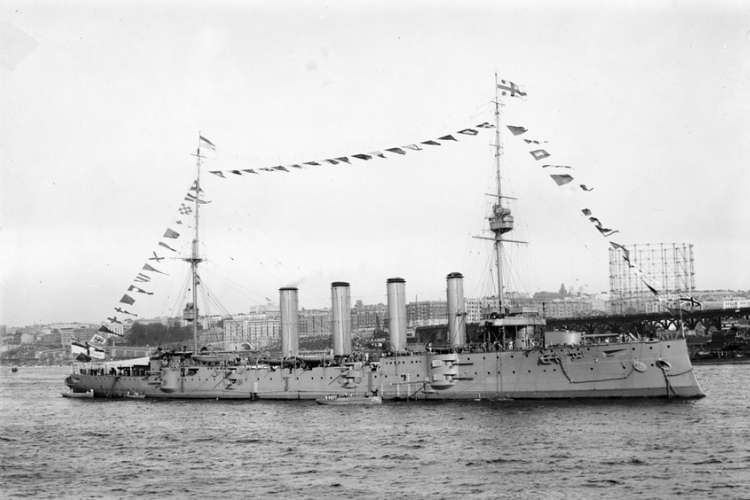
Welcome back to another installation of our Site in Focus series! This month we will be focusing on a dive site off the coast of Rathlin Island, at which there are two wrecks! Let us introduce the storied history of the H.M.S. Drake.
This wreck is situated in the crook of Rathlin Island, very near to the route of the Ballycastle-Rathlin Ferry. This site, marked with a big yellow buoy to identify it, is only accessible by boat – it can be accessed either from Rathlin itself or from Ballycastle.
Packed with history detailed below, this is a popular dive site! The wreck of the HMS Drake is a scheduled historic monument, which means that diving is on a ‘look but do not touch’ basis. It is important to read up on the scheduling of the site before heading for a dive.
There is ‘intact and recognisable’ structure remaining, alongside wreckage which came about by a patchwork of incidents over time. The records staff at the Historic Environment Division would be keen to receive details, including images and footage, of any diving on the HMS Drake wreck site as this helps them to monitor the monument (see Record Heritage).
The ship itself was a Drake Class armoured cruiser, at 14,000 tons, built at the turn of the 19th Century in Pembroke. This class of ship, capable of speeds of up to 24 knots, was developed not for battle itself but for related activities, like scouting, escorting or showing the flag to intimidate opposing forces.
In 1917, while on duty escorting a US convoy during World War One, a German U-boat sent a torpedo at the HMS Drake, hitting it just under the second funnel and flooding three rooms, unfortunately killing 18 crew just north of Rathlin Island.
After the torpedo impact, the ship sailed for shore, managing to anchor in Church Bay while slowly flooding. However, due to limited steering capacity post-impact – the HMS Drake hit a cargo ship on the journey to its anchor point. The cargo ship had to deliberately beach itself to avoid sinking and the Drake itself capsized within a few hours, the remaining crew having been evacuated.
In the ensuing years, the site was the focus of significant salvage operations, but the story doesn’t end there. In 1962, the wreck of the HMS Drake, situated in relatively shallow water (15-19m beneath the surface now in 2026), was struck by a fishing trawler. The Ella Hewett ran aground on the wreck of the Drake, while stopping at Rathlin before a fishing trip. No lives were lost but the trawler proceeded to sink, right on top of the cruiser. The result is one dive site with two wrecks, one on top of the other.
The ships were deliberately broken up in the 1970s by explosives deployed by the Scottish and Northern Ireland Bomb and Mine Disposal Team to prevent any further casualties at this disastrous wreck.
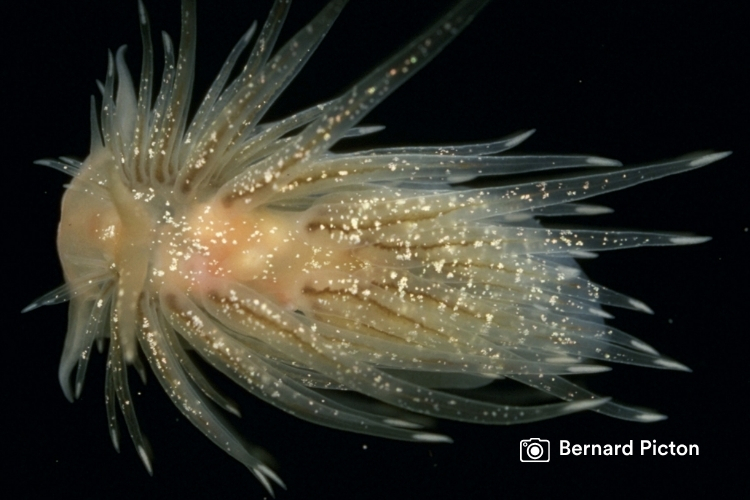
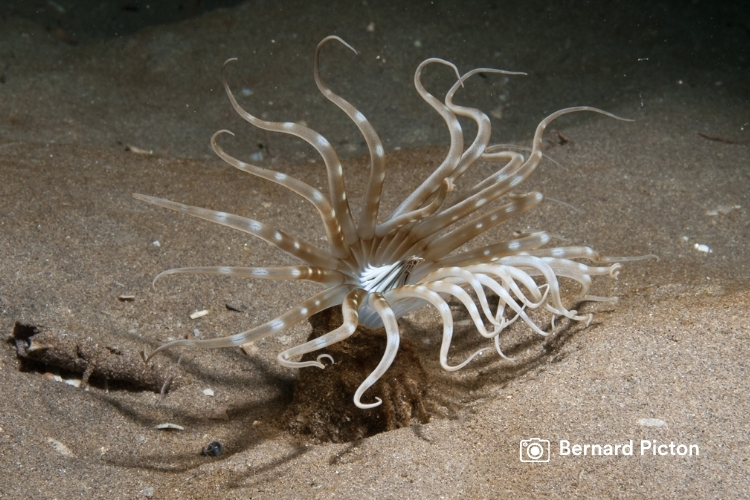
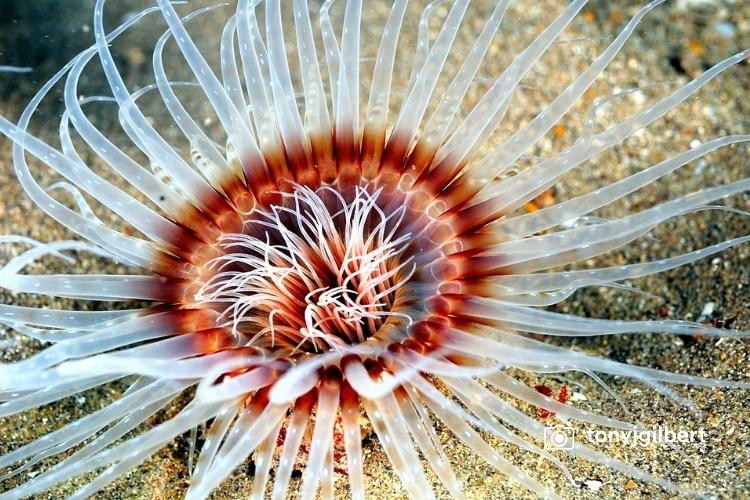
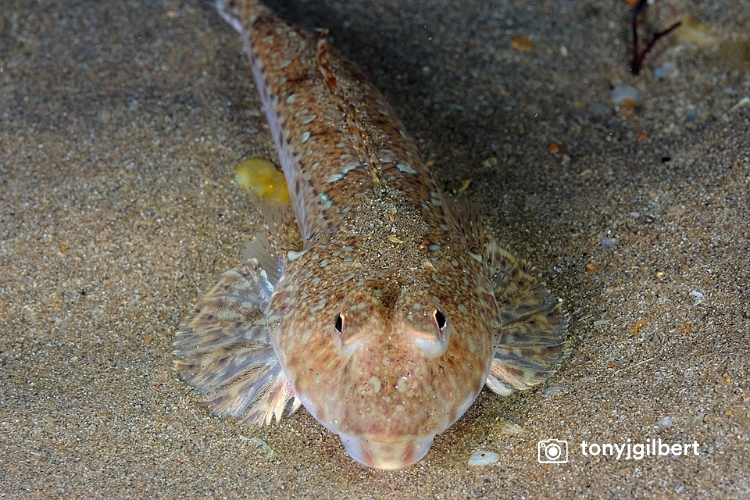
Despite its negative history, an abundance of marine life can be found in this area, as demonstrated in all of the lovely pictures contributed by divers! Don’t forget to submit your photos on iRecord or CEDaR Online Recording to add wildlife records to the history of the HMS Drake. You can submit to us here, or tag @dive-ni in your Facebook posts for a chance to have your photographs featured on DiveNI.
Happy diving!