And so, we continue into the second week of Marine Week (slight paradox, but still)!
To celebrate marine week in style we are starting another brand new series, Dive NI’s Site in Focus! For the very first Site Focus, we are taking a look at one of NI’s most popular and accessible dive sites, Ringhaddy in Killyleagh.
This site can be dived from the shore or from a boat, and features a wreck that is excellent to dive even for beginners. It starts from Ringhaddy Quay with a gentle mud, sand and gravel slope and descends gently to a maximum of 25m depth. The visibility at the site can vary, and can be reduced quickly if the silty sediment is stirred up, so recommendation is to stay off the bottom as much as possible. Good practice for your buoyancy skills! It is also highly recommended that you take a good light for this dive, due to the likelihood of poor (even if only temporarily) visibility.
You can follow the handy rope tethered to a cable (bear with me) which itself is tethered to Ringhaddy Quay that leads you out roughly 80m to the wreck of the Alastor.
The wreck itself sits at a chart depth of 23m, and has done since 1946 when it sank in a blaze of glory. Or a blaze at least, I wasn’t personally there to verify the levels of glory.
History
The M.Y. Alastor sank on the 11th of March 1946, but let’s rewind a little. The boat was built in 1926/7 for pioneering pilot and aviation entrepreneur Sir Thomas Sopwith, and was originally christened M.Y. Vita. It was commissioned as a luxury yacht for the millionaire, but after only two years of ownership, Sopwith sold the boat as inadequate for his needs. The new owner, Sir John Shelley-Rolls, renamed the ship Alastor, a reference to a poem by Percy Bysse Shelley, the famous poet and ancestor of Sir John. The Alastor stayed with its new owner until the outbreak of World War II in 1939, when it was requisitioned by the Ministry of War Transport.
In its new life as a stores ferry, the Alastor carried supplies to Naval ships stationed Just outside Strangford Lough, serving faithfully until 1946. At this point the boat was sold to the Greek Government, as it was no longer considered of use to the Admiralty. She was moored at Ringhaddy, awaiting a fresh coat of paint before heading to Greece, but before she could be handed over, a fire broke out aboard (in the galley, potentially a cooking whoopsie?). The boat was moored too far from shore for the Fire Service to get to. Luckily, all of the crew aboard were able to make it off and went home no worse for the wear. The same can’t be said for the Alastor. The fire left her interior destroyed and only a few days later, she sank.
The dive
The wreck of the Alastor is roughly 44m long and so is small enough for a quick look around in one dive (depending on conditions and air). The site is well sheltered and can be dived at most times of the day, which makes it ideal for even novice divers. The ship is mostly intact, sitting upright, with a collapsed wheelhouse. Aside from that though, most of the rest of the wreck is yours to explore! You might be able to see the decaying stern and forward decks, peek into the engine room, examine the still intact funnel and even take a bath with some sea life! Watch out for the rooms or hatches that are just filled with silt, though.
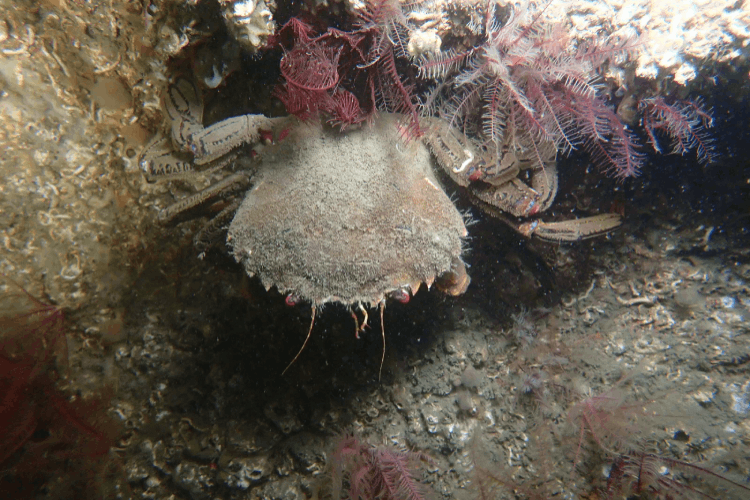
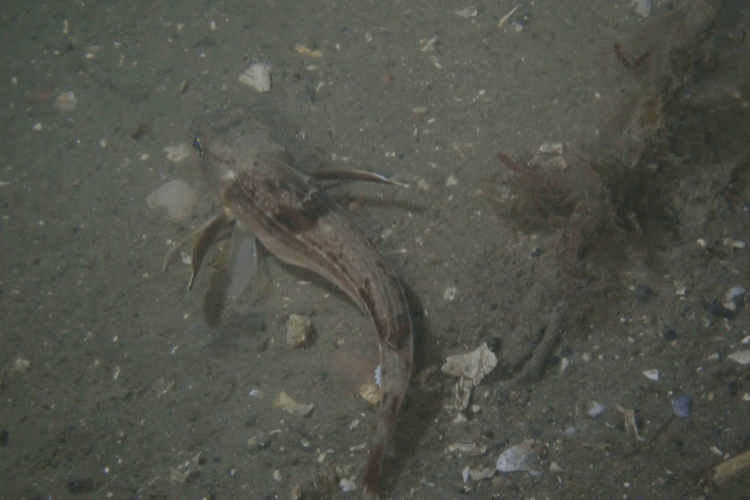
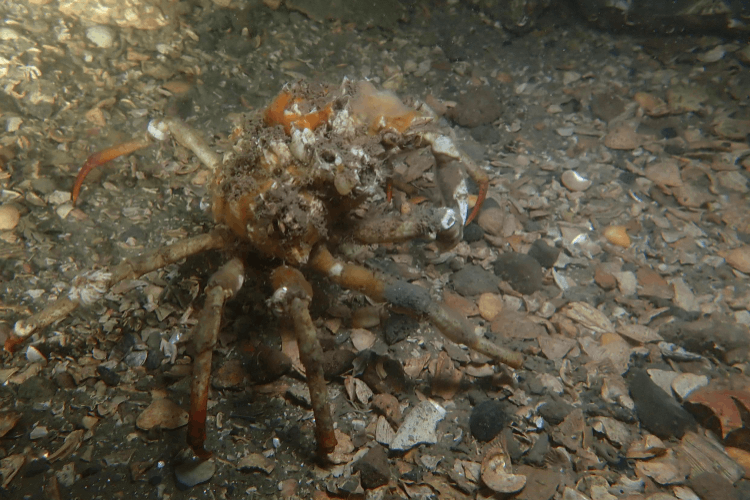
The wreck is a haven for soft coral, sea squirts and dead man’s fingers. Look out for conger eels and crabs in the nooks and crannies! You might even see some resident fish. Remember to submit records to CEDaR NI when you’re done.
So have a happy Marine Week (or two), get diving and please do let us know how you celebrate the best week(s) of the year!
Got some good pics or videos? Submit them to us or tag @dive-ni in your posts!